Fuel injectors play a crucial role in engine performance. They ensure a precise fuel-to-air mixture for optimal combustion. However, not all fuel injectors work perfectly. Over time, they can experience issues like clogging or wear. One common concern is whether faulty fuel injectors can cause engine misfire. Indeed, they can.
Misfires lead to poor acceleration and reduced engine efficiency. They may occur suddenly, leaving drivers puzzled. Recognizing the signs of faulty fuel injectors is essential for any vehicle owner. A misfiring engine might signal deeper fuel system problems. When injector performance is compromised, the whole engine suffers. As drivers, we must pay attention to unusual sounds or vibrations during operation. These could indicate injector failure.
Understanding how injectors function helps in diagnosing issues. Troubleshooting symptoms can prevent costly repairs down the line. Observing warning signs early on is vital. Ignoring them can lead to more severe engine damage. Regular vehicle maintenance is key. Knowledge of your fuel injectors will empower you to make informed decisions and keep your engine running smoothly.
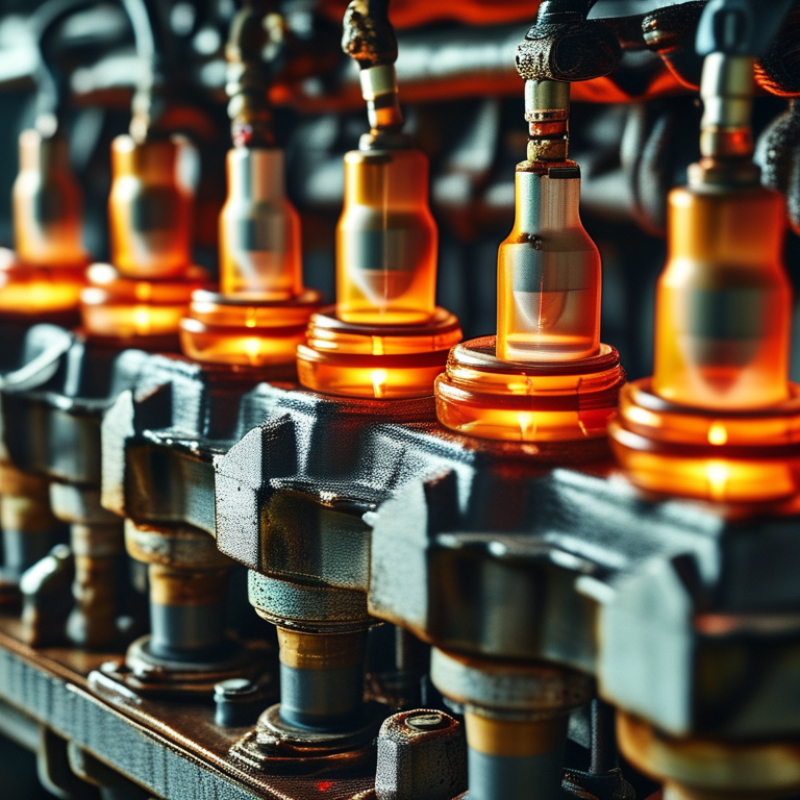
When fuel injectors fail, they can cause your vehicle to misfire. One common symptom is a rough engine idle. You’ll notice that the engine vibrates more than usual. This shaking can be quite unsettling, especially at stoplights. Another sign is a decrease in fuel efficiency. If you find yourself filling up the tank more often, it might be time to investigate.
Additionally, you might experience poor acceleration. The engine may struggle to gain speed, making driving frustrating. Unusual noises can also indicate a problem with your fuel injectors. Strange rattling or popping sounds might point towards faulty components. Ignoring these noises could lead to more significant issues down the line.
Lastly, keep an eye on the check engine light. It may illuminate if your vehicle's computer detects injector problems. In some cases, you might even notice fuel leaks around the injectors. These leaks can lead to dangerous situations. Addressing these symptoms early on is crucial to preventing further damage. Regular maintenance and being attentive to these signs can keep your engine running smoothly.
Engine misfires can be frustrating and costly. One significant cause is faulty fuel injectors. These crucial components atomize fuel for optimal combustion. When an injector malfunctions, it can lead to an imbalance in the air-fuel mixture. Research indicates that approximately 10% of engine misfires are linked to fuel injector issues. Understanding this can help drivers identify the problem sooner.
Symptoms of faulty injectors can be subtle or pronounced. Many drivers report poor acceleration or decreased fuel efficiency. A misfiring engine may also emit unusual sounds, like sputtering. Additionally, the vehicle may struggle to start, leading to unnecessary stress. Studies show that a dirty or clogged injector can reduce engine performance by up to 30%. This underscores the importance of regular maintenance.
Fuel injectors can wear out over time, leading to inconsistent fuel delivery. This inconsistency might manifest as hesitation during acceleration. A vehicle with health issues in its fuel system may also throw check engine lights, which often defy easy diagnosis. Identifying these signs early can prevent further damage and costly repairs later on. Understanding these signs of injector-related misfires can empower drivers to act before it’s too late.
Fuel injectors play a crucial role in an engine's performance, but their efficiency can be significantly affected by fuel quality. Low-quality fuel often contains impurities. These impurities can build up in the injectors, leading to poor fuel atomization. When fuel doesn't burn cleanly, it can cause engine misfires and decreased power output.
Moreover, inconsistent fuel composition may lead to varying combustion efficiencies. This affects how well the engine performs under different conditions. An engine that frequently misfires due to faulty injectors may also experience increased emissions. This not only pollutes the environment but may also lead to potential long-term damage to engine components.
Regularly using high-quality fuel can mitigate many injector performance issues. However, not all drivers prioritize this aspect. In the long run, neglecting fuel quality might result in costly repairs or replacements. It's essential to be proactive about fuel choices to maintain injector health and overall engine performance.
This chart illustrates the top 10 signs indicating faulty fuel injectors that can cause engine misfires. Each sign is rated by significance from 1 to 10, helping to identify critical issues related to fuel injector performance and the impact of fuel quality.
Identifying faulty fuel injectors is critical for optimal engine performance. These components play a vital role, delivering precise fuel amounts to the combustion chamber. When they malfunction, misfires can occur, leading to engine roughness and inefficiency. A report by the Society of Automotive Engineers indicates that around 15% of engine misfires are attributed to fuel injector issues.
Diagnostic tests are essential for pinpointing these problems. Technicians often conduct a resistance test. They measure the electrical resistance across each injector. Significant deviations from standard readings can indicate a fault. Additionally, a fuel injector balance test may be performed. This test checks each injector's flow rate when the engine runs, highlighting discrepancies that suggest blockages or leaks.
Visual inspections also matter. Sometimes, dirt or carbon buildup on injectors can be seen. Ultrasonic cleaning is a common remedy, yet it’s not always foolproof. Some technicians have noted that despite cleaning, injectors may still underperform. It highlights the need for comprehensive diagnostics. Observing other signs of misfires is also crucial, as many factors can mask injector issues, making thorough testing imperative.
Fuel injectors play a crucial role in your vehicle's performance. When they function poorly, misfires can occur. Preventive maintenance is essential to avoid these issues. Regular inspections can help identify problems early. Replacing clogged filters is a simple yet effective step. A clean fuel system promotes proper injector function.
Another important task is conducting regular fuel system cleaning. It keeps injectors clear of deposits. This process can enhance fuel efficiency and reduce emissions. Monitoring the engine’s performance is vital, too. Unexpected vibrations or a rough idle can signal injector problems.
Lastly, investing in high-quality fuel is wise. Poor fuel quality can lead to injector issues. Inspect injector seals and connections often. Addressing small signs early can save money on repairs. Act now to ensure your vehicle runs smoothly without unexpected misfires.
: Symptoms include rough engine idle, vibrations, decreased fuel efficiency, and poor acceleration.
You may notice the engine shaking or vibrating, especially at stoplights.
Strange rattling or popping noises could point to faulty fuel injectors.
It’s best to investigate. This light may signal injector problems that need attention.
If you fill up your tank more often than usual, it may indicate injector issues.
Regular inspections and replacing clogged filters are essential steps for proper function.
It keeps injectors clear of deposits, enhancing fuel efficiency and reducing emissions.
Using high-quality fuel can help avoid future injector malfunctions and complications.
Ignoring them could lead to bigger issues and more expensive repairs later on.
Keep an eye on engine performance, vibrations, and any unusual noises for early detection.
Faulty fuel injectors can cause engine misfire, leading to a variety of performance issues in a vehicle. Common symptoms of fuel injector malfunction include rough idling, decreased fuel efficiency, and unusual engine noises. Understanding these symptoms is crucial, as misfires often result from improper fuel delivery, which can negatively impact engine performance and longevity.
Additionally, the quality of fuel plays a significant role in injector performance; contaminated or low-quality fuel can exacerbate injector problems. To diagnose faulty injectors, various testing methods can be employed, including pressure tests and visual inspections. Regular preventive maintenance, such as fuel system cleaning and using high-quality fuel, can help mitigate potential injector issues and enhance vehicle reliability.

Sedo Auto